
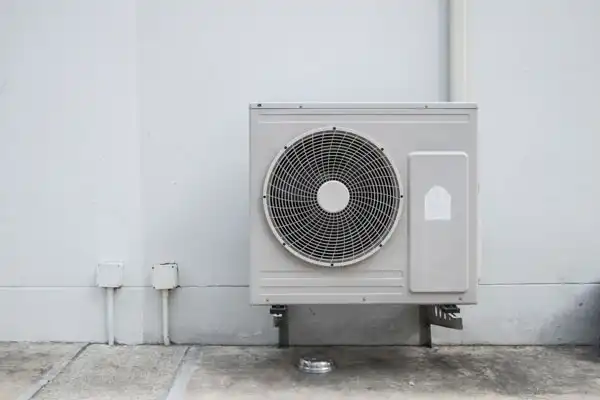
Keeping your home comfortable year-round in the Hampton Roads area requires an efficient and reliable climate control system. With so many options on the market, choosing the right solution can feel a bit overwhelming. Two of the most popular choices for modern, energy-efficient temperature management are central heat pumps and ductless systems. If you find yourself weighing a Heat Pump vs Mini Split, you are certainly not alone. Both systems offer excellent heating and A/C capabilities, but they serve different needs and are suited for different home layouts. In this general overview, we will explore what each system is, how they operate, and what factors you should consider when deciding which unit is best for your property in Virginia Beach, Chesapeake, Norfolk, Portsmouth, or Suffolk.
Understanding Traditional Heat Pumps
When discussing a Heat Pump vs Mini Split, it is helpful to start with the basics of how a standard heat pump operates. A central heat pump is a versatile HVAC unit designed to provide both heating and cooling to your home. Instead of generating heat by burning fuel like a traditional furnace, it simply transfers heat from one location to another.
How Heat Pumps Work
During the warmer summer months, a heat pump acts exactly like a standard A/C unit. It pulls warm air from inside your home and releases it outdoors. In the winter, the system reverses this process. It extracts ambient heat from the outside air and moves it indoors to keep your living space pleasantly warm. Most traditional heat pumps are ducted systems, meaning they rely on a network of air ducts hidden in your walls, floors, or ceilings to distribute the conditioned air evenly throughout your home.
Ideal Applications for Central Heat Pumps
A ducted heat pump is generally an excellent choice if your home already has an extensive, well-maintained duct system in place. Because it uses a single central unit to manage the climate of the entire property, it provides consistent, whole-home heating and A/C. This makes it a highly popular and practical choice for many homeowners across the Hampton Roads region.
Exploring Ductless Mini Splits
To properly evaluate your options, it is important to realize that a mini split is technically a specific type of heat pump. The critical distinction between the two is right in the name: mini splits are typically “ductless” systems, meaning they bypass the need for traditional ductwork altogether.
How Mini Splits Work
A ductless mini split consists of two main components: an outdoor compressor and one or more indoor air-handling units. These parts are connected by a small conduit that houses the power cable, refrigerant tubing, and a condensate drain. Because they do not rely on a central duct network, the indoor units deliver warm or cool air directly into the specific rooms where they are installed. They provide excellent A/C during the hot Virginia summers and reliable warmth when temperatures drop.
Ideal Applications for Mini Splits
Mini splits are highly beneficial for older historic homes in areas like Portsmouth and Norfolk that lack existing ductwork. They are also the perfect solution for new room additions, converted garages, or sunrooms. Additionally, because each indoor unit can be controlled independently, mini splits offer zoned heating and cooling. This allows family members to set different temperatures in different rooms based on their personal comfort preferences.
Key Differences to Consider
Choosing between a standard heat pump and a ductless mini split ultimately comes down to your home’s infrastructure and your specific comfort needs. Here are the primary factors to consider when making your decision.
Ductwork and Installation Requirements
The most significant deciding factor is usually the state of your existing ductwork. If your Virginia Beach home already has intact air ducts, upgrading to a new, high-efficiency central heat pump is often a straightforward and logical process. Conversely, if your home has no ducts, or if your current ducts are severely degraded and require extensive repairs, installing a ductless mini split will likely be less invasive and more cost-effective.
Zoning and Aesthetics
Standard heat pumps provide uniform temperature control throughout the entire house from a single thermostat. Mini splits, on the other hand, allow for precise zoning. This feature can help lower energy bills by allowing you to only condition the rooms you are actively using. However, aesthetic preferences also play a role. Mini splits require visible indoor air-handling units mounted on the walls or ceilings, whereas a central heat pump keeps its internal air distribution components hidden away out of sight.
Conclusion
Both traditional heat pumps and ductless mini splits are fantastic, energy-efficient solutions for maintaining comfortable indoor temperatures year-round. While a central heat pump is typically best for whole-house climate control utilizing existing ducts, a mini split offers unparalleled flexibility and personalized zoned comfort without the need for major renovations. By carefully evaluating your property’s current layout, your budget, and your family’s daily habits, you can make an informed decision on which heating and A/C system is right for your home.
Get Expert HVAC Advice for Your Home
Still unsure which system is the perfect fit for your property? The professionals at Guy Smith Home Services are here to help. Serving homeowners throughout Virginia Beach, Chesapeake, Norfolk, Portsmouth, and Suffolk, our team can carefully assess your home and recommend the absolute best HVAC solution for your unique needs. Contact us today to schedule a consultation and take the next step toward a more comfortable, energy-efficient home.