
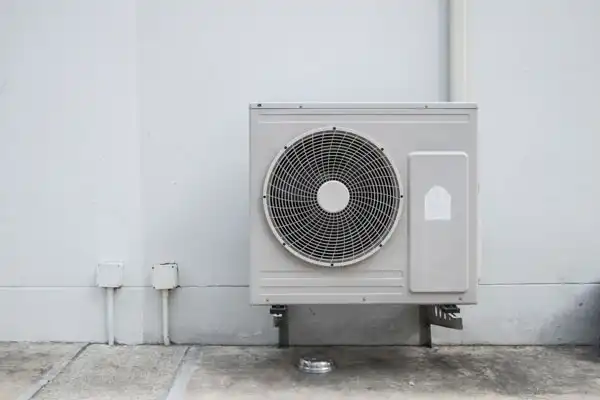
Keeping your home comfortable year-round is a top priority for property owners throughout the Hampton Roads area. When it comes time to upgrade your climate control system, you may find yourself weighing the options between a traditional A/C unit and a modern heat pump. While both systems excel at keeping your home cool during the hot summer months, their differences in operation and heating capabilities are significant. In this general overview, we will explore the core differences in an A/C vs heat pump comparison. We will look at how each system operates and what you should consider before making an investment in your property.
Understanding the Traditional A/C System
To make an informed decision, it is important to understand exactly how a standard air conditioner operates.
How an A/C Works
An A/C unit works by extracting heat from inside your home and releasing it outside. Using a specialized refrigerant and a series of compressor and evaporator coils, the system absorbs thermal energy from your indoor air. The newly cooled air is then pushed back through your ductwork, effectively lowering the temperature of your living space.
The Need for a Separate Heating System
A critical distinction to remember is that an A/C system only provides cooling. For the colder winter months in Virginia, you will need to pair your A/C with a completely separate heating system, such as a gas or electric furnace. This combination is often referred to as a split system, and it is a very common setup in many traditional homes.
Exploring the Versatility of a Heat Pump
While a heat pump might sound like an appliance used solely for warming a space, the name is actually a bit misleading.
Dual-Functionality
A heat pump can both heat and cool a home. During the summer, it acts exactly like an A/C, using refrigerant to pull heat out of your home and expel it outdoors. The major difference becomes apparent in the winter. A heat pump has a reversing valve that allows it to switch directions. It extracts ambient heat from the outside air and moves it indoors to warm your home.
Efficiency Advantages
Because heat pumps move heat rather than generate it through combustion or electrical resistance, they are highly energy-efficient. They consume significantly less electricity than standard electric furnaces or baseboard heaters, making them an excellent option for property owners looking to optimize their energy usage.
Which is Right for Hampton Roads?
Choosing between an A/C and a heat pump often comes down to your local climate and your existing home infrastructure.
The Local Climate Factor
The climate across Virginia Beach, Chesapeake, Norfolk, Portsmouth, and Suffolk features hot, humid summers and relatively mild winters. Because temperatures rarely stay below freezing for extended periods, heat pumps are an incredibly popular and efficient choice for the Hampton Roads area. They can easily handle the mild winter heating demands without relying on a backup heat source.
Existing Infrastructure
If your home already has a fully functional and relatively new gas furnace, simply replacing the aging A/C unit might be the most cost-effective route. Conversely, if both your A/C and furnace are nearing the end of their lifespans, transitioning to a single heat pump system can streamline your HVAC setup and potentially lower your utility bills.
Making the Best Decision for Your Comfort
Both traditional A/C units and modern heat pumps offer exceptional cooling capabilities for your home. The choice ultimately depends on your heating requirements, your current HVAC setup, and your long-term energy goals. By understanding the distinct advantages of each system, you can make a confident decision that ensures your home remains comfortable through every season.
Contact Guy Smith Heating, Cooling & Plumbing
Ready to upgrade your home comfort system? The experienced professionals at Guy Smith Heating, Cooling & Plumbing are here to help you evaluate your property and choose the ideal climate control solution. We proudly serve the entire Virginia Beach area, alongside Chesapeake, Norfolk, Portsmouth, and Suffolk. Call us today or visit our website to schedule a consultation with our expert team.