
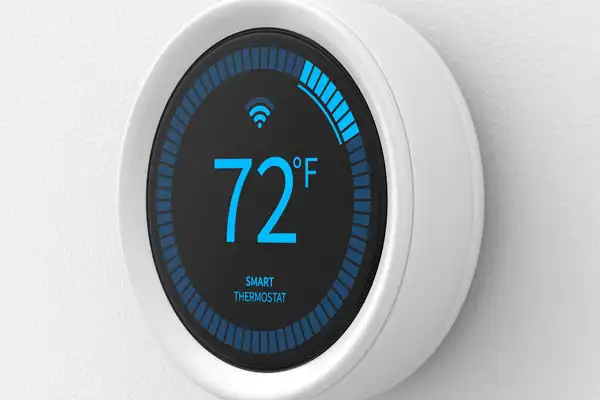
For most Virginia Beach homes, the best winter thermostat settings are about 68 degrees when you’re home and awake, turned back a few degrees while you sleep or are away. Heat pump owners should keep those setbacks small. A programmable thermostat schedule handles it automatically, so your furnace or heat pump isn’t running at daytime temperatures all night. These programmable thermostat tips for winter energy savings cover how to set it up, which mistakes to avoid, and how to keep your thermostat reading accurately.
Setting Efficient Temperature Schedules and Setbacks
Target Day and Night Setpoints
Using programmable thermostats to turn the temperature down while you’re away or asleep lowers your heating and cooling energy use. The U.S. Department of Energy recommends about 68°F while you’re home and awake, and says turning the thermostat back 7 to 10 degrees for eight hours a day can save up to 10% a year on heating. Those thermostat setback temperatures work best with a furnace. Schedule the setback for when everyone leaves for work or school, repeat it overnight, and have the heat come back up shortly before everyone wakes up. A cooler house loses heat more slowly, so your system runs less.
Heat Pump Winter Thermostat Settings
Heat pumps need a gentler approach. A gas furnace recovers from a setback quickly by burning fuel, but a heat pump moves heat in from the outside air. If you set the temperature back too far, the system may turn on its electric backup heat strips to catch up, and those use much more electricity than the heat pump itself. Keep setbacks small, a few degrees at most. If your thermostat has adaptive or smart recovery, it brings the temperature back up gradually so the backup strips stay off.
Common Thermostat Programming Mistakes to Avoid
Cranking the Heat to Warm Rooms Faster
Setting the thermostat to 75°F when you want 68°F won’t warm your home any faster. Most heating equipment puts out heat at the same rate no matter where the dial is set, so a higher setting just makes the system run longer and overshoot. With a heat pump, a big jump can also turn on the backup heat strips, which use far more electricity. Set the thermostat to the temperature you actually want and let the system run its normal cycle.
Leaving the Device in Permanent Hold Mode
Many programmable thermostats have a hold button for vacations or schedule changes. Permanent hold locks in one temperature around the clock and overrides your schedule, so you lose the savings from your setbacks. Use temporary hold when you have guests or feel under the weather, since it clears at the next scheduled change. Save permanent hold for times when the house will be empty for days.
Thermostat Placement and Seasonal System Maintenance
Protecting Sensors from False Readings
A thermostat reads the air right around it. If it’s in direct sunlight, near the kitchen oven, or next to a drafty exterior door, its readings won’t match the rest of the house. Sunlight makes it think the house is warm, leaving other rooms cold. Drafts from nearby windows do the opposite and make the system run longer than needed. Mount the thermostat on an interior wall away from drafts, heat sources, and direct light.
Battery Checks and Routine Airflow Care
If your thermostat uses batteries, replace them each fall. A dying battery can cause erratic cycling or make the screen go blank and stop signaling your furnace or heat pump. Pair that with air filter replacements every 30 to 90 days. A clogged filter restricts airflow, so your system runs longer to heat your home.
Lowering Heating Demand Throughout the Winter Season
Consistent setbacks, few manual overrides, and a well-placed thermostat can lower your energy use and keep heating bills in check through the coldest months. Pair them with regular equipment upkeep to keep your system running efficiently.
Schedule Heating Maintenance with Guy Smith Home Services
Guy Smith Home Services has served Virginia Beach and nearby communities since 1968. Our licensed technicians install programmable and smart thermostats, set up winter schedules, and handle heating tune-ups with upfront pricing. Contact us to schedule heating maintenance before the cold sets in.