
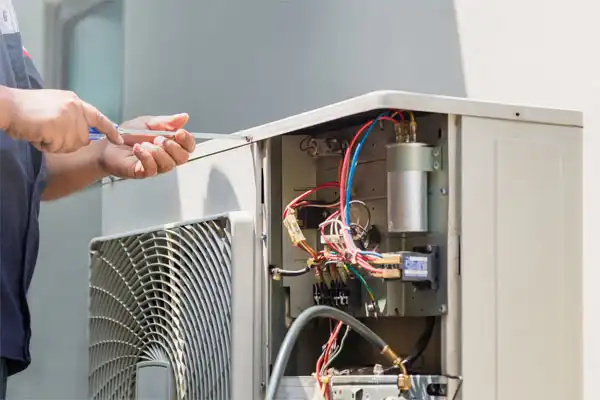
A winter HVAC maintenance checklist for Virginia Beach homes covers five things: replace the air filter, clear your vents, test the thermostat and CO detectors, clear around the outdoor heat pump, and schedule a professional tune-up. Doing these before the first frost lets you catch problems in your heating system while the weather is still mild, and helps your furnace or heat pump run safely through the winter.
Essential Indoor Heating Checks and Airflow Upkeep
Your heating system needs clear airflow to warm your home efficiently. When airflow slows, parts can overheat, electrical components work harder, and warm air doesn’t reach every room through your ductwork.
Replace Dirty Air Filters
A clean filter keeps dust off the blower motor and lets enough air through the system. Wash and fully dry reusable filters, and replace disposable pleated filters before you switch to heat. Clean filters reduce strain on the air handler and keep airflow steady from room to room.
Clear Registers and Return Grilles
Furniture, curtains, and rugs often end up over vents after rearranging. Walk through each room and make sure every supply and return vent is clear. Closing vents in unused rooms throws off the pressure in your ducts, so leave them all open for more even temperatures.
Test the Thermostat and Safety Detectors
Set your thermostat to heat and raise it several degrees above room temperature to make sure the system starts. Listen for rattling, grinding, or a long delay before it starts, which can point to electrical or ignition problems. Put fresh batteries in your smoke alarms and carbon monoxide detectors, then check the date on the back of each CO detector and replace any past its expiration. CO detectors matter in any home with fuel-burning heat or appliances.
Outdoor Heat Pump and Exterior Equipment Preparation
Most Virginia Beach homes use heat pumps for both cooling and heating. The outdoor unit pulls heat from the outside air all winter, so it needs attention in late fall. This is the core of heat pump winter prep.
Clear Leaves and Overgrowth
Coastal fall winds pile pine needles, leaves, and mulch around outdoor units. Clear the debris, cut back shrubs, and keep open space on every side of the unit. Wet leaves hold moisture, which encourages corrosion and blocks the airflow your heat pump needs. Don’t cover a heat pump in winter, since it runs all season and needs open airflow. Near the ocean, rinse the outdoor coil with a garden hose a few times a year to wash off salt.
Inspect Refrigerant Lines and Cabinet Elevation
Check the insulated copper lines between your outdoor unit and the indoor air handler. Damaged or missing foam insulation exposes the refrigerant piping to cold air and cuts heating efficiency. Make sure the outdoor unit sits level on its pad, so water drains away during defrost cycles.
Protect A/C Components and Clear Drainage Lines
If you have a gas furnace with a separate central A/C condenser, the outdoor A/C unit sits idle until spring. Clear twigs and dirt off the top grille, but don’t wrap the whole unit in plastic, which traps moisture and attracts rodents. Inside, check that the condensate drain line at your indoor unit isn’t clogged, since a backed-up line can leak or shut the system off.
Professional Mechanical Inspections and Safety Verification
Filter swaps and clearing debris are easy homeowner tasks, but some parts need a technician’s tools and training. Scheduling a heating safety inspection before freezing weather helps confirm your system is safe to burn fuel or handle heavy electrical loads.
Check Heat Pump Refrigerant, Defrost, and Backup Heat
For heat pumps, the technician checks the refrigerant charge, defrost controls, reversing valve, and backup heat strips, so the system heats efficiently and the backup heat works when you need it.
Inspect the Heat Exchanger and Burners
For gas furnaces, burners collect dust and rust during the cooling season, which can cause uneven flames and incomplete combustion. A furnace inspection includes cleaning the burners and checking the heat exchanger for hairline cracks that could let exhaust into your ducts.
Test Electrical Connections and Blower Motors
Heat and vibration loosen wire connections over months of summer use. A technician tightens electrical terminals, measures how much power the motor draws, checks capacitors, and cleans the blower motors. Tight connections protect circuit boards from voltage drops when the system starts.
Verify Safety Switches and Flue Venting
Heating systems use limit switches, flame sensors, and pressure controls to shut down if something goes wrong. The technician tests these safety controls while the system runs and inspects the flue pipe and exhaust outlet to confirm exhaust vents safely outdoors.
Preparing Your Home for Consistent Winter Warmth
Swapping filters, clearing vents and outdoor equipment, and scheduling a professional tune-up help prevent breakdowns once the cold arrives. If you notice strange noises, weak airflow, or slow heating during your checks, have your equipment looked at before winter.
Schedule Your Heating System Tune-Up Today
Guy Smith Home Services has served Virginia Beach and nearby communities since 1968. Our licensed technicians handle heat pump and furnace tune-ups with upfront pricing. Contact us to schedule your seasonal maintenance visit.