
Closing down a beach property after peak rental season requires more than locking the doors and turning off the lights. In oceanfront communities like Sandbridge and the Virginia Beach resort area, coastal winter weather brings freezing overnight temperatures, high humidity, and salt-laden winds that can wreck unattended mechanical systems. Properly winterizing a vacation rental protects your investment from expensive off-season failures like cracked supply lines, moisture buildup, and unexpected heating outages. This guide covers how to drain and insulate vulnerable plumbing lines, configure your heating equipment to manage interior moisture, and secure your electrical components before winter arrives. A methodical walkthrough of your property in the late fall prevents costly service calls when visitors return in the spring.
Protecting Coastal Plumbing and Exterior Water Lines
Oceanfront properties often feature specialized outdoor amenities like outdoor showers, fish-cleaning stations, and hose connections that sit directly exposed to freezing coastal winds. If left full of standing water, these components face severe expansion pressure during hard freezes, splitting pipes and flooding lower-level living areas or storage spaces.
Draining Exterior Fixtures and Outdoor Showers
Outdoor showers and foot-wash stations are the most vulnerable plumbing features on coastal properties. You should start by locating the dedicated shutoff valves inside the heated envelope of the home and closing them completely. After closing the supply, open the outdoor shower fixtures and hose bibbs to let all remaining water run out. If your exterior lines have bleeder caps at the interior shutoff valve, open them to release vacuum locks and catch the residual drainage in a small bucket. Leaving exterior valves open throughout the winter allows any remaining droplets room to expand safely without splitting brass fittings.
Safeguarding Interior Supply Lines and Heaters
Unoccupied beach cottages often experience unmonitored temperature drops during coastal nor’easters, which can cause a catastrophic frozen pipe burst inside unheated crawl spaces or exterior walls. Insulate exposed piping in garages, utility closets, and under-house pilings using heavy foam sleeves with taped seams. Open under-sink cabinet doors in kitchens and bathrooms so warmer indoor air circulates directly around supply lines. Scheduling routine water heater maintenance before the off-season also allows a technician to flush out corrosive sediment and inspect the temperature and pressure relief valve. If you need professional assistance shutting down complex supply lines, partnering with an experienced provider of Virginia Beach plumbing services ensures your seasonal shutdown is completed without missing hidden valves.
Managing Heating and Humidity Throughout the Winter
Shutting heating systems down completely in empty coastal properties invites catastrophic freeze events and uncontrolled mold growth. Damp Atlantic air penetrates rental properties through door frames and soffits, settling into carpets, drywall, and furniture when airflow stops. A critical step when winterizing a vacation rental involves balancing continuous heating with active humidity control. Ongoing vacation rental maintenance keeps structural materials dry and prevents stale, stagnant air from damaging furnishings.
Configuring Controls for Consistent Heat
Never turn the heat off in a vacant home. Installing a Wi-Fi-enabled smart thermostat allows property owners to monitor indoor conditions remotely from a smartphone app and receive immediate alerts if temperatures plummet. Set the system to maintain a steady low heat setting day and night, ensuring interior rooms remain well above freezing regardless of outdoor wind chill. Keeping your heating equipment active circulates air across every floor and prevents interior moisture from condensing on cold exterior windows.
Scheduling Coastal HVAC and Heat Pump Service
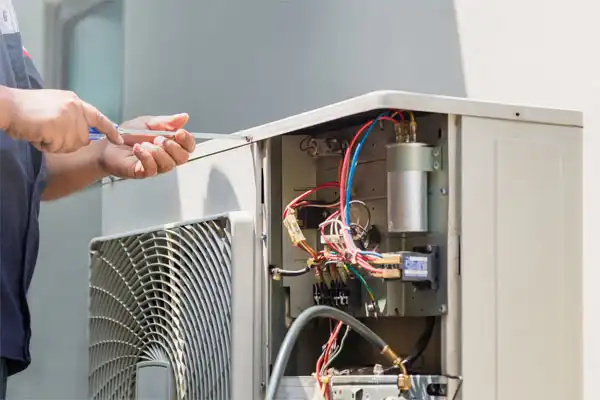
Oceanfront air carries abrasive salt and sand that accumulates on outdoor coils, corroding electrical components and reducing system capacity over time. Arranging professional heat pump maintenance before cold weather arrives confirms your compressor, reversing valve, and auxiliary heat strips operate reliably when severe winter fronts push through Hampton Roads. A technician performs heating inspections to check the defrost cycle so ice does not lock up outdoor fan blades during freezing rain. Replacing dirty air filters before closing the house ensures clean airflow, protecting the blower motor while the property remains unoccupied.
Securing Electrical Systems and Coastal Appliances
Coastal winter nor’easters frequently knock out utility power and send unpredictable surges across the grid. Unprotected electronics and sensitive appliance motherboards can fail when power flickers or abruptly restores during coastal windstorms. Taking time to shut down non-essential circuits and verify protective hardware preserves your equipment while you are away.
Managing Circuit Breakers and Small Appliances
Before locking up the house, unplug small countertop appliances, televisions, entertainment centers, and microwave ovens to eliminate phantom power draws and surge exposure. You should leave the circuit breaker panel turned on so your heating equipment, sump pump, and security systems retain continuous power. However, shutting off designated breakers for unoccupied guest bedrooms, laundry rooms, and outdoor lighting reduces the risk of accidental electrical issues during winter storms.
Protecting Equipment Against Coastal Storm Surges
Strong coastal winds often bring falling tree limbs and downed utility lines across coastal neighborhoods like Sandbridge. Scheduling a dedicated electrical safety inspection with a licensed contractor verifies that your panel connections are tight, grounding rods remain corrosion-free, and home surge protection equipment is operational. Investing in proper electrical protection shields your expensive HVAC units and major kitchen appliances from catastrophic transient voltage spikes.
Protecting Your Coastal Investment for the Spring
Thoroughly winterizing a vacation rental shields Sandbridge and Oceanfront properties from the harsh realities of coastal Atlantic winters. Draining outdoor fixtures, checking indoor supply lines, and scheduling routine equipment tune-ups prevent freezing temperatures from causing catastrophic pipe breaks. Maintaining steady indoor heating and controlling indoor moisture preserves drywall, flooring, and furnishings until summer renters arrive. Taking care of seasonal maintenance in the late fall gives property owners peace of mind throughout the coldest months of the year, knowing their home remains secure, dry, and ready for another busy vacation season.
Schedule Your Seasonal Vacation Rental Inspection
If you need assistance preparing your coastal rental property for the off-season, turn to the licensed and experienced professionals at Guy Smith Home Services. Serving Virginia Beach homeowners and property managers since 1968, our team delivers dependable plumbing, heating, and electrical solutions backed by clear, upfront pricing. Call our team today to schedule your seasonal service walkthrough before freezing weather arrives.